When you first start comparing shipping containers, the grading system can feel a little cryptic. A Grade sounds pristine while B Grade suggests something a step below, but the reality is far more practical.
Both options serve specific purposes and both offer real value, so the question becomes less about which one is better and more about which one suits your project. Understanding how these grades differ helps you choose with confidence while keeping your budget and long-term plans in mind.
What Sets A Grade Containers Apart
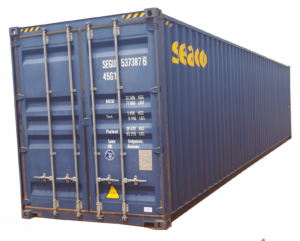
A Grade containers usually come from newer stock with minimal wear. They often move through fewer shipping cycles, which means their exterior paint, flooring and structural components remain in excellent condition.
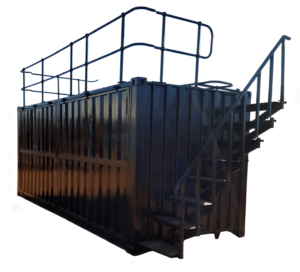
Many buyers prefer them when they want a clean, uniform finish or when the container will form part of a public-facing space. Think retail conversions, parkhome containers, office pods, decontamination containers or on-site storage where presentation matters as much as practicality.
While they look sharp, A Grade units also offer strong functional benefits. Doors tend to seal smoothly, the interior feels fresh and odour-free, and the overall structure has a crispness that gives you a solid starting point for any customisation.
Not only does this make renovations easier, it can also streamline insulation or lining work you may plan to add later.
Why B Grade Containers Still Shine
B Grade containers carry signs of use but still remain completely capable of handling everyday storage and conversion needs. They appeal to buyers who see the value in a seasoned container that still offers dependable strength along with a friendlier price tag.
Many farms, construction sites and small businesses choose B Grade when durability matters more than aesthetics.
What makes them so versatile is how they balance affordability with reliability. They typically show light cosmetic wear while retaining their structural integrity, offering you a sturdy option without stretching your budget.
This freedom allows you to invest more in features that shape your final outcome, whether that means installing ventilation or converting the unit into a workshop.
Choosing the Right Grade for Your Project
The real distinction between A and B Grade containers lies not in quality but in suitability. A Grade supports projects that require a polished look along with the confidence of a nearly new structure, while B Grade suits those who prioritise practical performance and affordability.
Both grades can be customised, painted or outfitted with insulation, which means your decision often depends on the container’s role and the environment in which it will live.
It helps to consider how long you plan to use the container as well as the experience you want it to deliver. A Grade may feel right for projects with public interactions while B Grade works beautifully when you need functional space that stands up to daily use without unnecessary expense.
The Bottom Line
A Grade containers offer a crisp, newer feel while B Grade containers unlock impressive value for a wide range of applications. Both strengthen your project in different ways.
When you choose based on purpose rather than perception, you end up with a container that not only meets expectations but also supports your broader goals with ease.