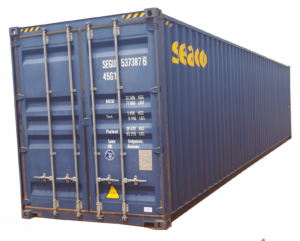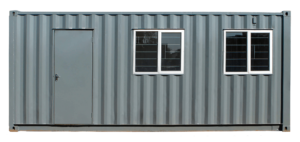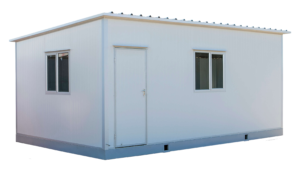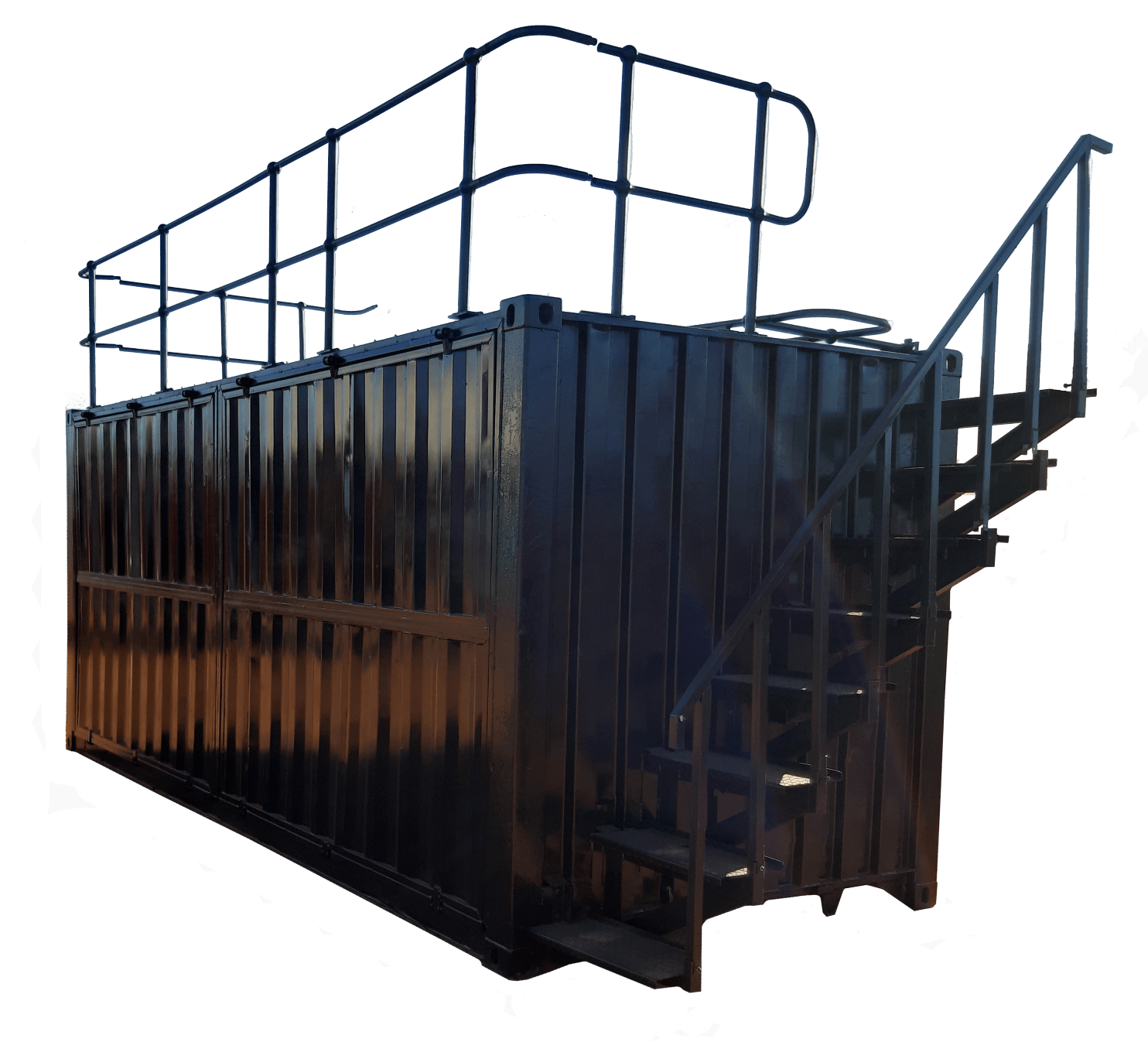
Shipping containers have earned a second life far beyond ports and cargo ships. These steel boxes now show up as storage units as well as pop-up shops, site offices and even homes, which is why many buyers start by asking a simple question: should I buy new or pre-owned?
The answer depends on how you plan to use the container along with your budget and what matters most to you in the long run.
Let’s take a balanced look.
Why Pre-Owned Containers Appeal to So Many Buyers
The most obvious advantage is cost. Pre-owned containers are typically far more affordable than new ones, which makes them attractive for startups, farmers, builders and anyone testing an idea before committing fully.
That lower upfront spend often frees up budget for modifications, transport or site preparation, which can make a real difference on a practical level.
Availability also plays a role. Pre-owned containers are widely available and can usually be delivered faster than new stock, which is helpful when timelines are tight. For projects that need quick deployment, such as temporary storage or on-site offices, this flexibility can be a major win.
There’s also a sustainability angle that many buyers appreciate. Reusing a container extends its lifespan and reduces the demand for new steel production, which supports more environmentally responsible building choices while still delivering strength and reliability.
Where Buyers Need to Be Thoughtful
While pre-owned containers offer value, they do come with a history. These units have spent years at sea or on rail networks, which means visible wear is part of the package. Scuffed paint, surface rust or minor dents are common, although they rarely affect structural integrity.
Condition can vary between units, so inspection matters. A well-maintained container can perform almost as well as a new one for many uses, while a poorly chosen unit may require additional work.
This is simply a reminder to buy from a reputable supplier who grades containers clearly and explains what each condition level means.
Pre-owned containers may also have a shorter remaining lifespan than new units, particularly if they are exposed to harsh weather without modification. That said, for many applications such as storage or interim solutions, this is rarely a deal-breaker.
Matching the Container to the Job
The real decision comes down to fit-for-purpose thinking. If you need a pristine container for a high-end retail space or a long-term residential build, new might make sense. If you need secure storage, a base for conversion or a flexible structure that can evolve over time, pre-owned containers often strike the right balance.
Many buyers find that small upgrades, such as repainting or adding ventilation, quickly close the gap between old and new while keeping costs under control. In that way, pre-owned containers offer both adaptability and financial breathing room.
A Practical Perspective
Buying a pre-owned container allows you to choose sustainability and flexibility while staying clear-eyed about condition and use. With the right supplier and a clear plan, pre-owned containers can unlock strong value and support projects that grow naturally rather than all at once.