For many South African growers, container farming is becoming more than a trend. It is turning into a serious production option, especially for high-value crops such as herbs, leafy greens, strawberries, and microgreens.
A converted shipping container gives you a controlled growing space that does not need a huge footprint.
Still, before anything else, buyers want to know the price of entry.
That number is not fixed. It can rise or fall depending on the container size, the systems installed, and your production goals. This guide sets out the major startup costs you should expect when planning a commercial container farm.
What Is a Container Farm?
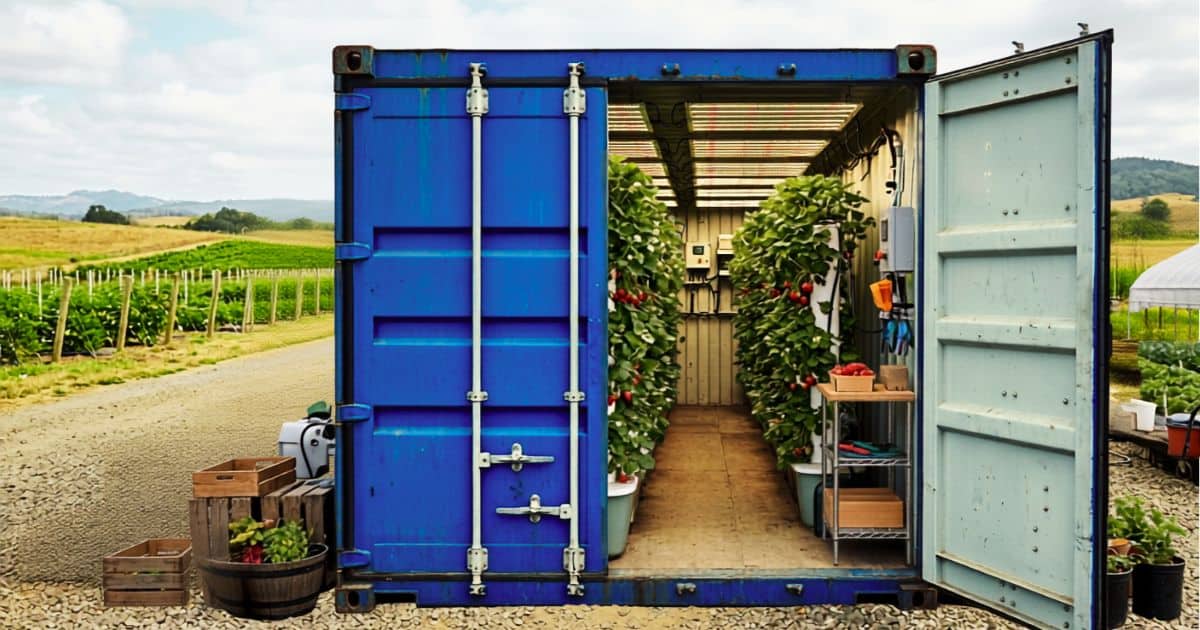
A container farm is a conventional shipping container, but it is retrofitted inside to produce vegetables.
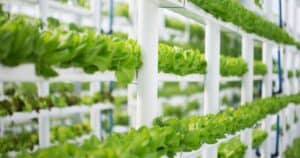
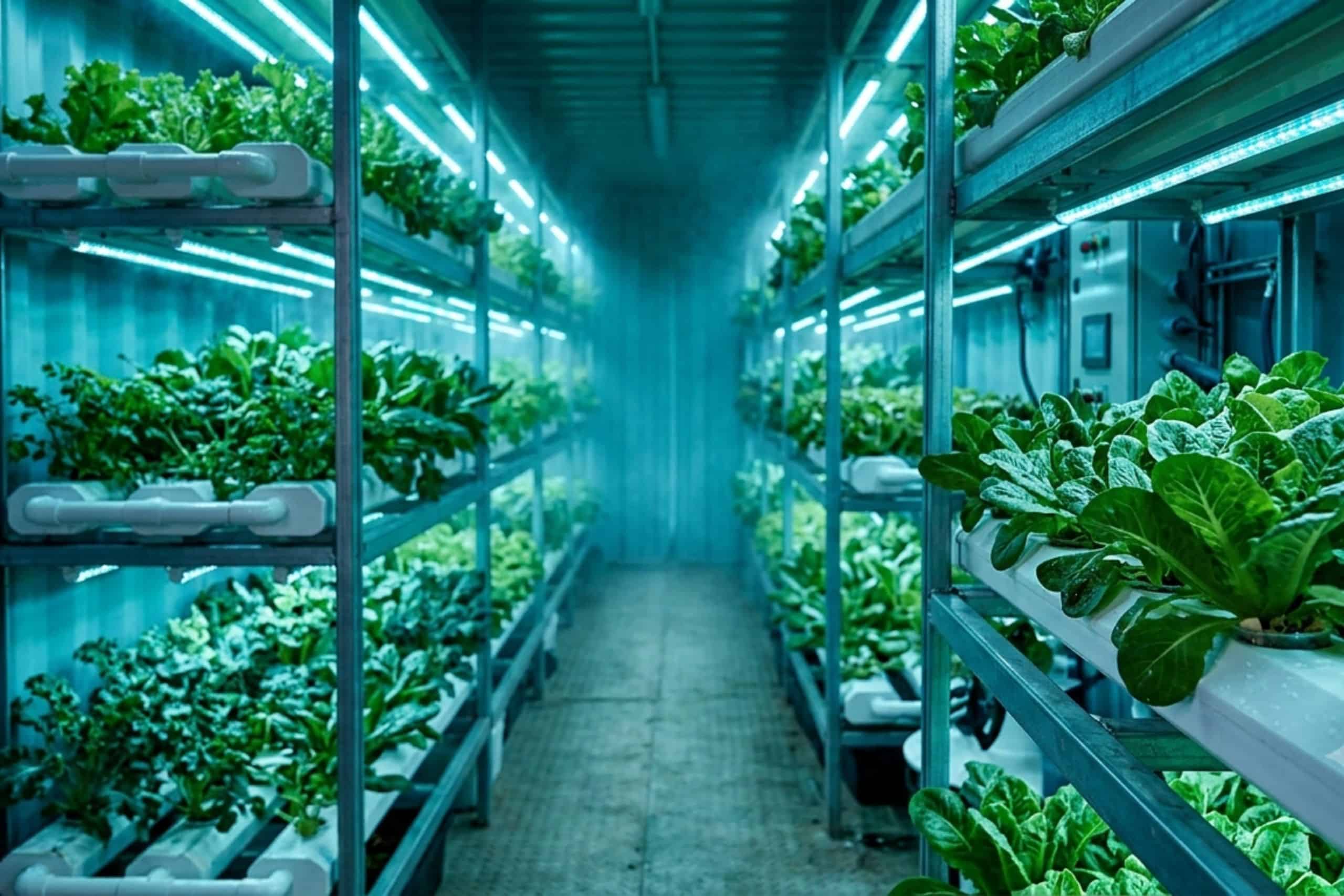
It is equipped with temperature control, grow lights, watering and either hydroponic equipment or vertical growth racks. It just provides a controlled environment where crops can be grown more consistently throughout the year, as opposed to being at the mercy of whatever the weather is doing outside.
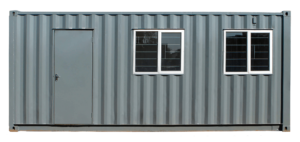
Most commercial units are built from 6m or 12m containers. They are tough, mobile, and relatively quick to convert into working farm units. Container King specialises in custom-built container conversions and fabricated structures for commercial use, including agricultural and industrial work.
Average Container Farming Startup Costs
The total startup cost for a commercial container farm typically ranges between:
Farm Size | Setup Estimated Startup Cost |
|
Testing the model with a smaller farm | R150,000 – R350,000 | |
Setting up for commercial output | R350,000 – R900,000 | |
Building a high-spec automated farm | R900,000 – R2 million+ |
Your final investment depends on several variables, including:
· Container size
· Hydroponic system type
· Climate control requirements
· Solar integration
· Water systems
· Automation level
· Crop selection
· Site preparation
Container Farming Cost Breakdown
1. The Price of the Container
The container is the base unit for the whole setup, and it makes sense to price this first.
Your total here will change with the size and whether the unit is new or second-hand.
Container Type | Estimated Cost |
Used 6m Container | R25,000 – R45,000 |
Used 12m Container | R45,000 – R80,000 |
New 12m Container | R80,000 – R140,000 |
A new container will usually need less work before it is ready to use and can give you more years of service. A used one can make the starting budget easier to manage. Container King offers both options in several sizes for commercial projects.
2. Container Conversion Costs
Raw containers must be converted into climate-controlled growing environments. Typical conversion costs include:
Conversion Item | Estimated Cost |
Lining and insulating the inside | R40,000 – R120,000 |
Wiring, plugs, and lights | R25,000 – R80,000 |
Flooring materials and fitting | R10,000 – R35,000 |
Plumbing lines and waste drainage | R15,000 – R50,000 |
Doors & Windows | R10,000 – R40,000 |
Ventilation Systems | R20,000 – R70,000 |
For commercial container conversions, the biggest pressure points are usually energy use and hygiene.
The job is not finished once the unit is switched on and usable. It also needs to make sense from a power-cost point of view and meet the level of cleanliness the site or industry requires.
3. Hydroponic or Vertical Farming Systems
This is often the largest cost category.
Farming System | Estimated Cost |
Basic Hydroponics | R50,000 – R150,000 |
NFT Systems | R80,000 – R250,000 |
Vertical Grow Towers | R150,000 – R500,000 |
Fully Automated Systems | R500,000+ |
The system itself plays a big part in how the farm performs and what it costs to manage, especially when it comes to:
· Water consumption
· Crop yield
· Labour requirements
· Energy usage
· Maintenance costs
4. LED Grow Lighting
Commercial container farms rely heavily on artificial lighting, because crops are grown in a closed environment where sunlight is limited or not used at all for large parts of the growing cycle.
Lighting Setup | Estimated Cost |
Basic LED Grow Lights | R30,000 – R80,000 |
Commercial Full-Spectrum LEDs | R80,000 – R250,000 |
A lot of the electricity bill can come down to lighting, which is why efficient lighting systems are so important.
5. Climate Control Systems
Inside a container farm, climate control is not there for appearances. It is what stops crops from growing unevenly, struggling with stress, or falling short on quality.
Climate Equipment | Estimated Cost |
Air Conditioning | R20,000 – R80,000 |
Humidity Control | R10,000 – R40,000 |
CO₂ Systems | R15,000 – R50,000 |
Monitoring Sensors | R10,000 – R60,000 |
One of the big challenges in South Africa is that growing conditions are never the same everywhere.
Regional weather patterns can change a lot, and that makes consistent production through the year much harder. Climate control helps by reducing the crop’s exposure to those outside extremes.
6. Filtration, Water Supply, and Irrigation
This side of the farm relies on a few core components:
· Filtration
· Pumps
· Reservoirs
· Nutrient dosing systems
· Recirculation systems
Estimated costs: R15,000 – R120,000
If water use is a major concern, hydroponics has a clear advantage. It requires far less water than conventional farming because the water is reused within the system instead of being absorbed and lost in the ground.
7. Power Setup and Solar Support
Container farms require stable electricity.
Power Solution | Estimated Cost |
Standard Grid Setup | R10,000 – R40,000 |
Backup Generator | R30,000 – R120,000 |
Solar Integration | R120,000 – R500,000+ |
Many commercial farms invest in solar systems to reduce long-term operational costs and mitigate load shedding risks.
8. Site Preparation & Delivery
Do not overlook installation costs.
Site Expense | Estimated Cost |
Delivery & Transport | R5,000 – R50,000 |
Foundations | R15,000 – R80,000 |
Utility Connections | R10,000 – R60,000 |
Security Fencing | R20,000 – R100,000 |
Nationwide delivery options are available through Container King and Rental King.
Monthly Costs After Setup
After the initial setup, the business will still face monthly running costs, including:
· Electricity
· Water
· Nutrients
· Seeds
· Labour
· Maintenance
· Packaging
· Distribution
You may spend about R15,000 a month on a smaller setup, while a larger or more intensive operation can sit above R150,000. The gap comes from the size of the production plan and the equipment involved.
Is Container Farming Profitable?
Container farming can be highly profitable when paired with:
· High-demand crops
· Strong retail or restaurant partnerships
· Efficient energy management
· Consistent production cycles
Popular profitable crops include:
· Lettuce
· Basil
· Microgreens
· Strawberries
· Spinach
· Specialty herbs
Many commercial growers recover their investment within 2–5 years depending on market access and production efficiency.
How to Reduce Container Farming Startup Costs
Businesses can reduce initial costs by:
· Starting with used containers
· Expanding in phases
· Using semi-automated systems initially
· Leasing or rent-to-own container solutions
· Installing solar later as an upgrade
Starting out is a bit more manageable with Container King and Rental King. Businesses can rent a unit, buy one in full, or go with a rent-to-own arrangement if they want a path to ownership without paying everything at once.
Frequently Asked Questions
How much does it cost to convert a shipping container into a hydroponic farm?
A full container-to-hydroponic-farm conversion typically costs between R150,000 and R900,000, depending on the container size and system complexity. This covers insulation, wiring, plumbing, the hydroponic system itself, and lighting. Fully automated, high-spec builds with advanced climate control and solar can push past R2 million.
Is a 6m or 12m container better for starting a container farm?
A 6m container is usually the better entry point for testing a model or running a smaller operation, since it costs less upfront and needs a smaller hydroponic system. A 12m container suits commercial-scale output, offering more growing space per unit once you’re ready to scale up production.
How long does it take to break even on a container farm in South Africa?
Most commercial container farm operators recover their initial investment within two to five years, depending on crop selection, market access, and how efficiently the operation runs. High-demand crops like microgreens and specialty herbs, paired with strong retail or restaurant partnerships, tend to shorten that payback period.
Can a container farm run on solar power?
Yes, solar integration is increasingly common in South African container farms, both to lower long-term electricity costs and to reduce exposure to load shedding. Solar setup costs range from R120,000 upward depending on system size, and many growers add it later as an upgrade rather than at initial launch.
What crops are most profitable to grow in a container farm?
Leafy greens, herbs, microgreens, and strawberries tend to perform best in container farms because they have short growing cycles, high market demand, and suit the controlled, vertical growing conditions inside a converted container. Lettuce, basil, and spinach are common starting crops for new commercial operators.